
How I Got 3x More Traffic with My Simple 60-Day LLM SEO Plan (Beginner’s Guide)
Have you ever wondered why some websites seem to appear everywhere online while others struggle to get noticed? The secret isn’t magic, it’s understanding how modern search engines, especially AI-powered ones like ChatGPT and Google’s AI, actually work.
This is exactly what happened to me. I created a simple 60-day plan that focused on something called LLM SEO (Large Language Model SEO), and the results were incredible.
My website traffic increased by 3x, my search rankings shot up, and I learned strategies that work in 2025 and beyond.
Want the same results? Let me break down my exact 8-week plan that anyone can follow, even if you’re just starting with SEO.
What is LLM SEO? (And Why It’s Game-Changing)
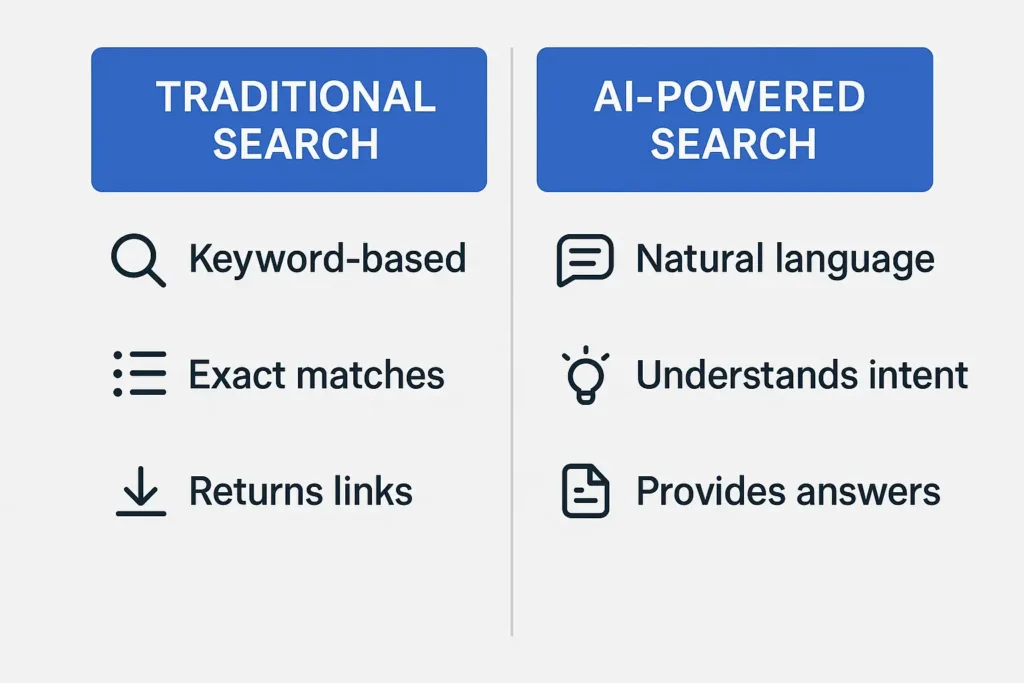
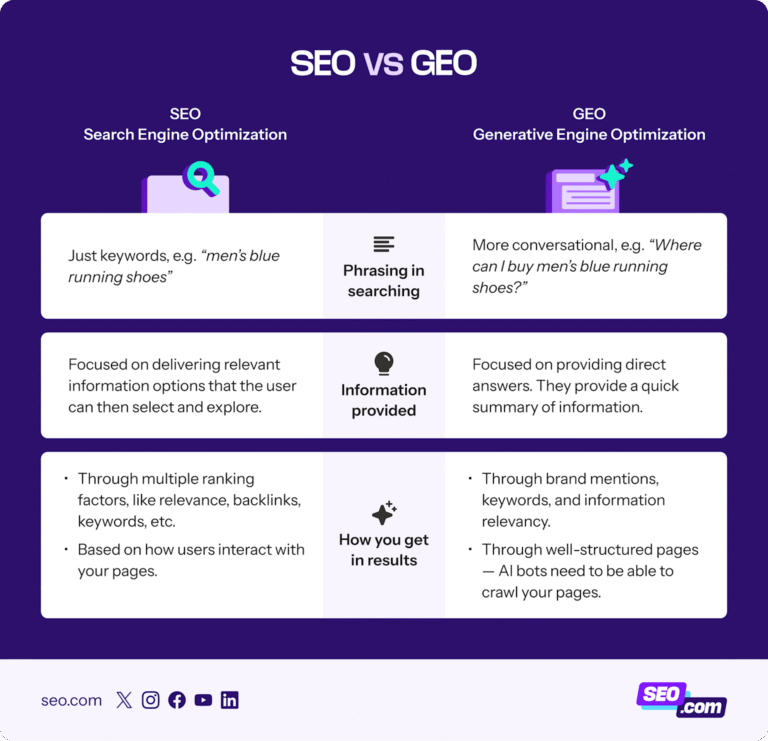
Think of LLM SEO as teaching your website to speak the same language as AI search engines. Instead of just hoping Google finds your content, you’re making it super easy for AI tools like ChatGPT, Gemini, and Perplexity to understand and recommend your website.
Here’s the difference:
- Traditional SEO: Focus on keywords and hoping to rank on Google’s first page
- LLM SEO: Focus on being the trusted source that AI recommends to users
Why does this matter? Over 100 million people use ChatGPT weekly, and 80% of consumers now rely on AI-written results for about 40% of their searches.
If AI tools don’t know about your content, you’re missing out on massive traffic opportunities.
My 8-Week LLM SEO Plan That Tripled My Traffic
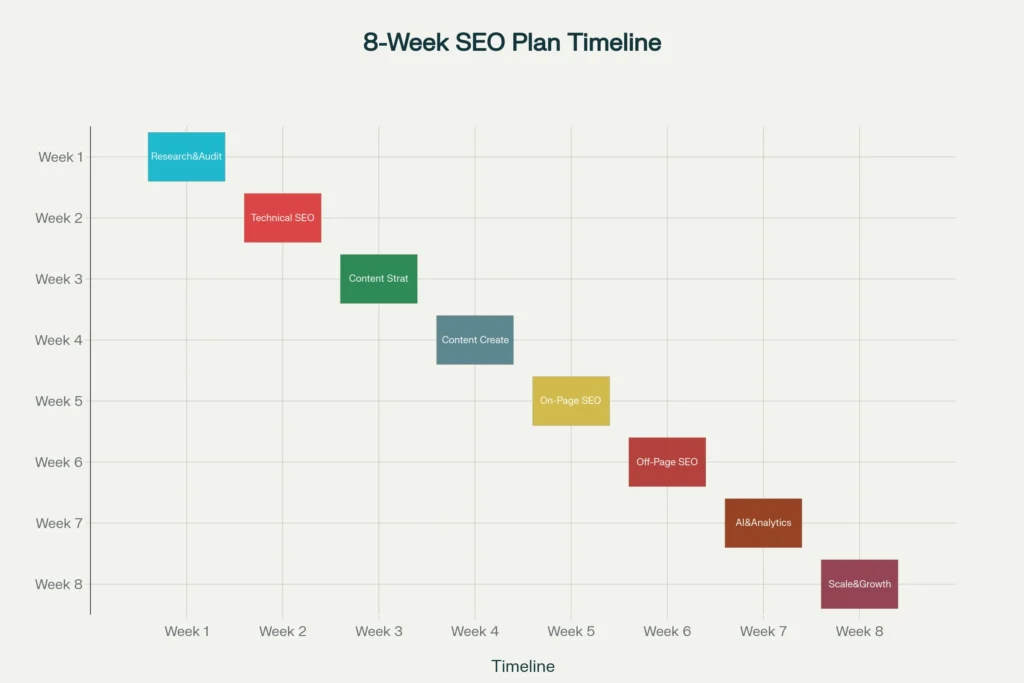
Here’s the exact week-by-week breakdown I followed. Each week builds on the previous one, so don’t skip ahead!
Week 1 (Days 1-7): Research & Audit Foundation
What you’ll do: Get to know your current website situation and understand what your audience really wants.
Step-by-step actions:
- Website Health Check
- Competitor Research
- Find 3-5 websites in your industry that rank well
- Notice what topics they cover and how they structure their content
- Use tools like Ubersuggest (free version) to see what keywords they rank for
- Audience Understanding
- Create simple profiles of your ideal visitors (called “buyer personas”)
- Think about what questions they ask and what problems they need solved
- Survey existing customers if possible
Real example: I discovered my competitors were all writing about “digital marketing tips” but nobody was explaining “how digital marketing actually helps small businesses make money.” That became my content opportunity!
Week 2 (Days 8-14): Technical SEO Cleanup
What you’ll do: Fix the “behind-the-scenes” stuff that makes your website easy for search engines to understand.
Step-by-step actions:
- Site Speed Optimization
- Compress large images (use free tools like TinyPNG)
- Choose a reliable web hosting service
- Install a caching plugin if you use WordPress
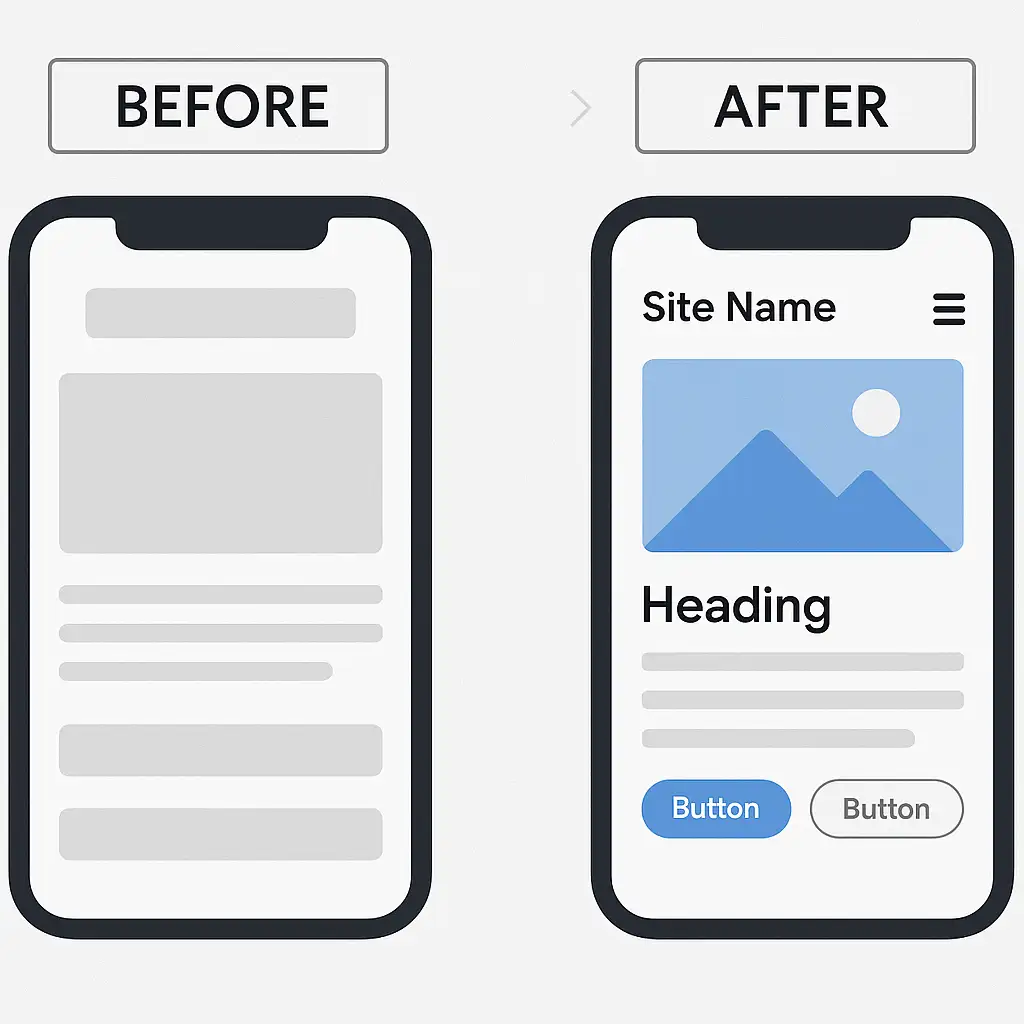
- Mobile-Friendly Check
- Test your site on your phone – does it look good and load fast?
- Use Google’s Mobile-Friendly Test tool
- Fix any issues with buttons being too small or text being hard to read
- Basic Technical Fixes
- Create an XML sitemap (most website platforms do this automatically)
- Make sure your site has an SSL certificate (the little lock icon in browsers)
- Check that all your important pages can be found by search engines
Pro tip: Don’t get overwhelmed by technical stuff. If something seems too complicated, focus on the basics first. A fast, mobile-friendly website covers 80% of technical SEO.
Week 3 (Days 15-21): Content Strategy Planning
What you’ll do: Plan content that AI tools will love to recommend.
Step-by-step actions:
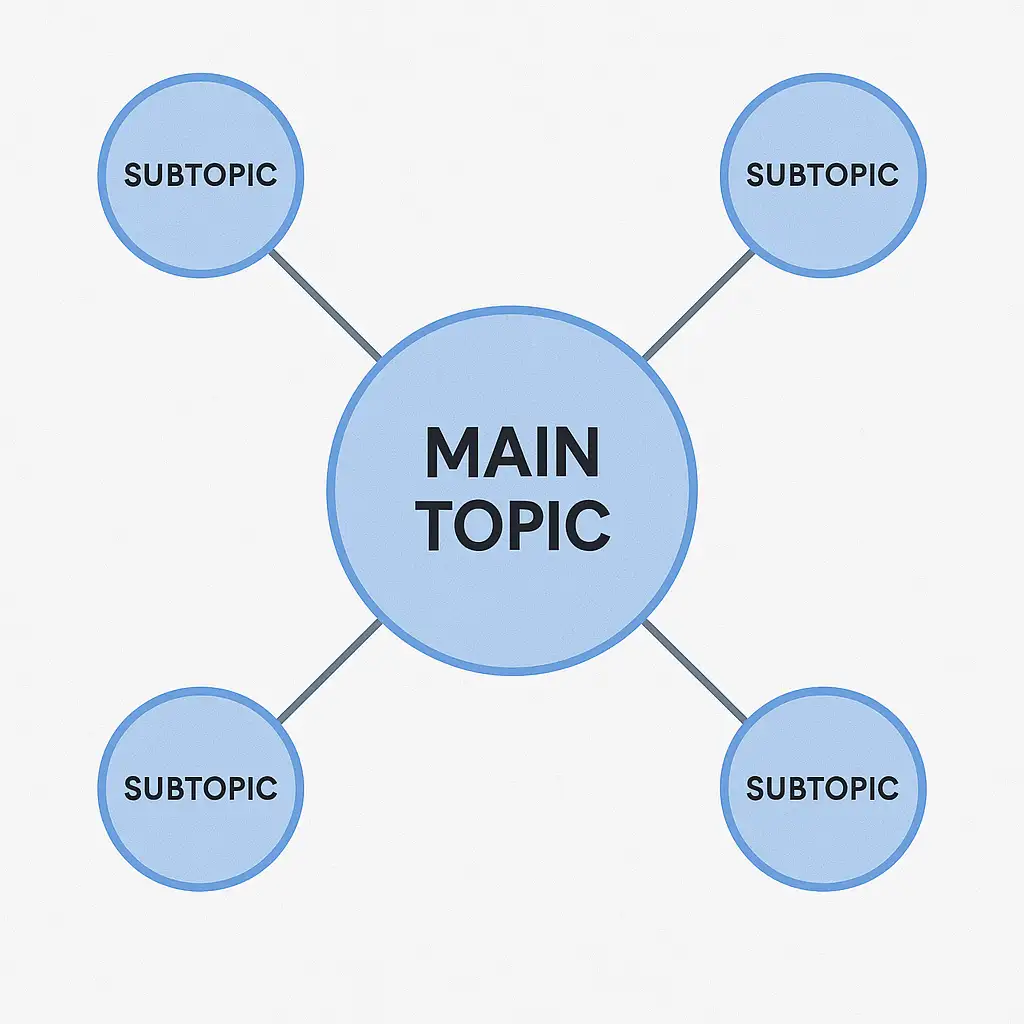
- Topic Cluster Creation
- Pick 3-5 main topics related to your business
- For each main topic, brainstorm 8-10 subtopics
- Create a mind map showing how these topics connect
- Question-Based Content Planning
- Use tools like AnswerThePublic to find questions people ask
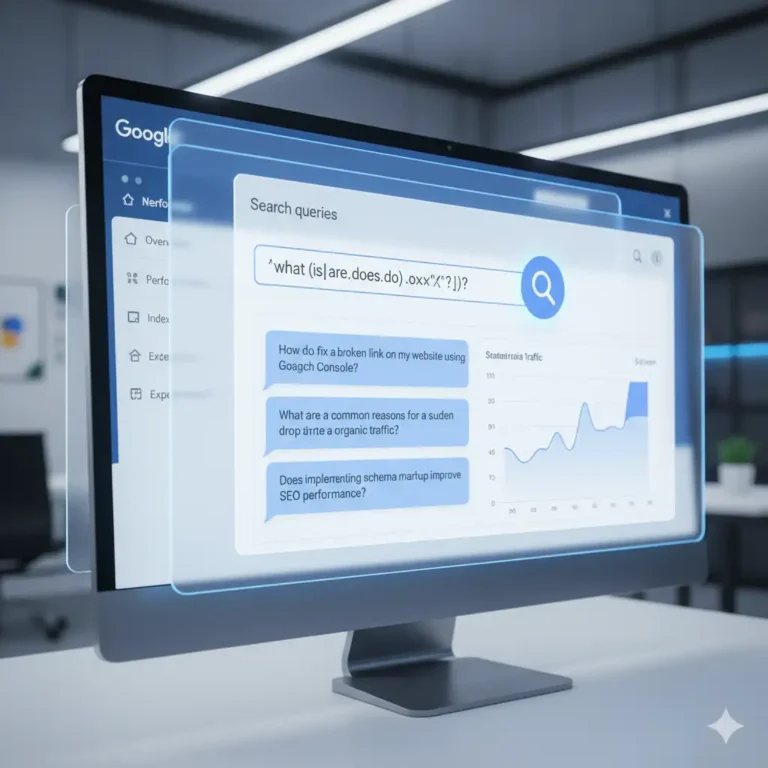
- Focus on conversational queries like “What is…” or “How do I…”
- Plan content that directly answers these questions
- Content Calendar Setup
- Plan what content you’ll create each week
- Mix different types: how-to guides, tips, comparisons
- Schedule content creation in advance
Example: Instead of just writing about “SEO,” I created a cluster covering “SEO for beginners,” “SEO tools,” “SEO mistakes,” and “SEO vs PPC.” This showed AI that I was an expert on the whole topic, not just one piece.
Week 4 (Days 22-28): Content Creation That AI Loves
What you’ll do: Create content specifically designed for AI to understand and recommend.
Step-by-step actions:
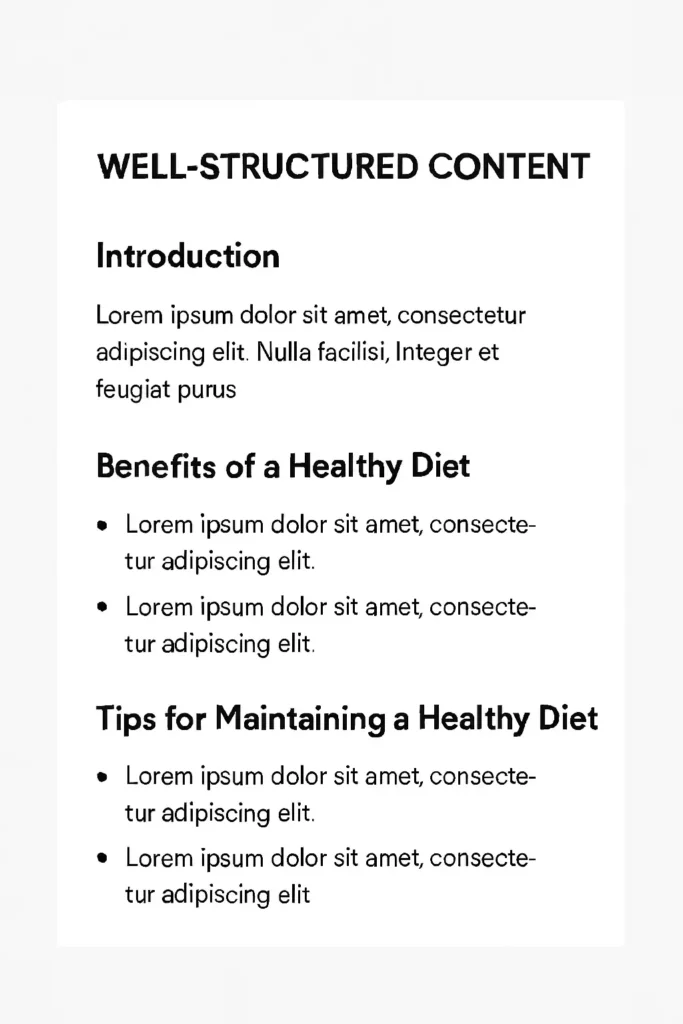
- Structure Content for AI
- Use clear headings (H1, H2, H3) that describe what each section covers
- Write in short paragraphs (2-3 sentences each)
- Include bullet points and numbered lists
- Answer-First Writing Style
- Start each section with the answer, then provide details
- Use natural, conversational language
- Include specific examples and data when possible
- Add FAQ Sections
- Include a “Frequently Asked Questions” section
- Answer common follow-up questions
- Use schema markup for FAQs (most WordPress plugins do this automatically)
Writing template I use:
- Direct answer to the question
- Simple explanation in everyday language
- Real example or case study
- Action steps readers can take
- Related questions they might have
Week 5 (Days 29-35): On-Page SEO Optimization
What you’ll do: Optimize individual pages to rank better and be more discoverable.
Step-by-step actions:
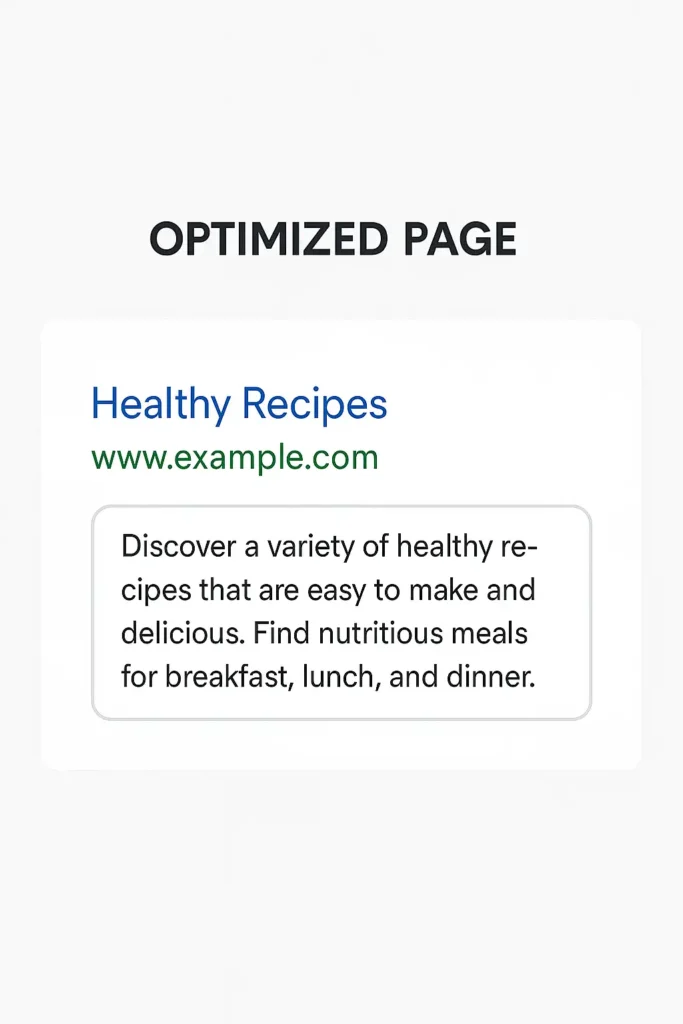
- Title and Description Optimization
- Write compelling page titles that include your main keyword
- Create meta descriptions that make people want to click
- Keep titles under 60 characters and descriptions under 160 characters
- URL Structure
- Use short, descriptive URLs
- Include your main keyword in the URL
- Avoid numbers and special characters
- Internal Linking
- Link to other relevant pages on your website
- Use descriptive anchor text (the clickable words)
- Help visitors find related content easily
- Image Optimization
- Add alt text to all images describing what they show
- Use descriptive file names instead of “IMG_1234.jpg”
- Compress images to load faster
Quick checklist for each page:
- Main keyword in title and first paragraph
- Clear headings that organize content
- Meta description that encourages clicks
- At least 2-3 internal links to related pages
- Images with descriptive alt text
Week 6 (Days 36-42): Off-Page SEO & Authority Building
What you’ll do: Build your website’s credibility and authority through external signals.
Step-by-step actions:
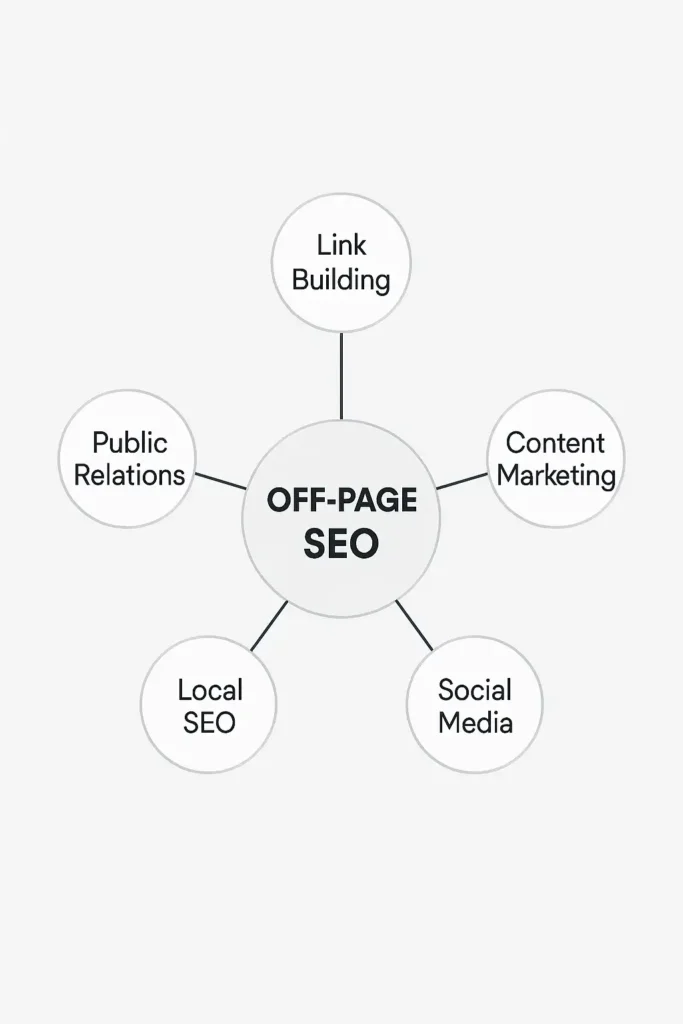
- Guest Content Creation
- Write helpful articles for other websites in your industry
- Include a natural link back to your website
- Focus on providing genuine value, not just getting links
- Digital PR and Outreach
- Share newsworthy content or insights
- Reach out to journalists using HARO (Help a Reporter Out)
- Connect with influencers who might find your content useful
- Local SEO (if applicable)
- Claim your Google My Business listing
- Get listed in local directories
- Encourage satisfied customers to leave reviews
- Social Media Amplification
- Share your content on social media platforms
- Engage with your audience and industry discussions
- Build relationships with other content creators
Important note: Focus on quality over quantity. One high-quality backlink from a trusted website is worth more than 100 low-quality links.
Week 7 (Days 43-49): AI Tools & Next-Gen SEO
What you’ll do: Leverage AI tools to enhance your SEO efforts and prepare for the future.
Step-by-step actions:
- AI Tool Integration
- Use AI for keyword research and content ideas
- Try tools like ChatGPT for content optimization
- Automate repetitive SEO tasks where possible
- Structured Data Implementation
- Add schema markup to help AI understand your content
- Focus on FAQ, How-to, and Organization schemas
- Use Google’s Structured Data Testing Tool to verify
- Entity-Based Optimization
- Clearly mention your brand, products, and key people by name
- Build topic authority around specific entities
- Connect your content to recognized industry terms
- Voice Search Optimization
- Optimize for conversational, question-based queries
- Include long-tail keywords that people might speak
- Create content that answers “near me” searches if relevant
Tools I recommend for beginners:
- ChatGPT for content ideas and optimization
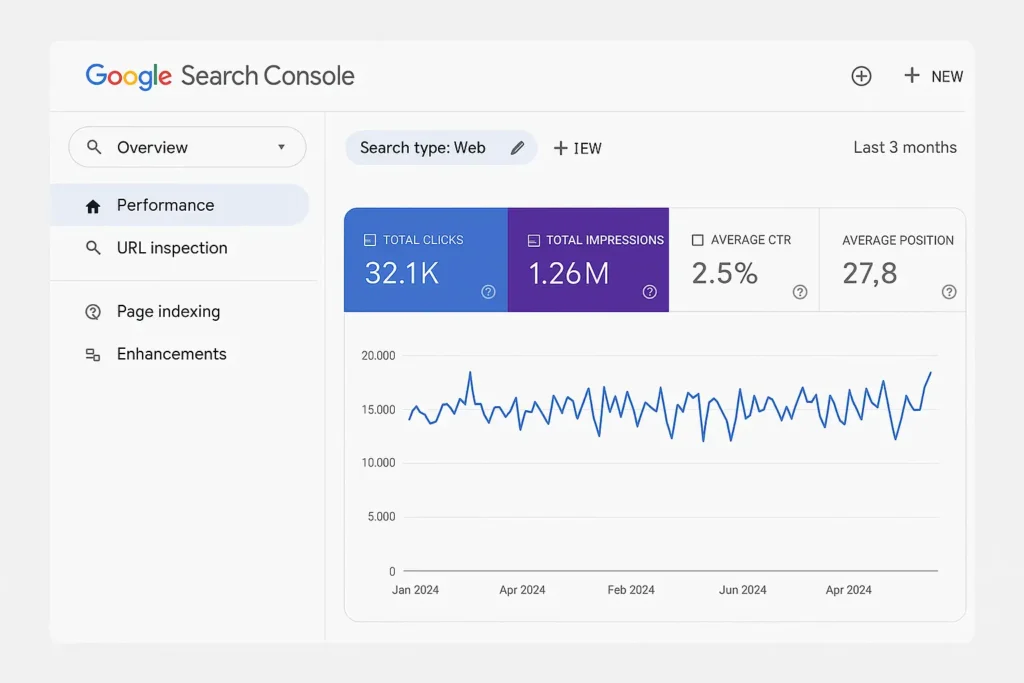
- Google’s free SEO tools (Search Console, PageSpeed Insights)
- Ubersuggest for keyword research (free version available)
Week 8 (Days 50-60): Analytics, Measurement & Scaling
What you’ll do: Track your progress and plan for continued growth.
Step-by-step actions:
- Set Up Analytics Tracking
- Install Google Analytics 4 if you haven’t already
- Set up conversion tracking for your business goals
- Connect Google Search Console for search data
- Create Performance Dashboards
- Track organic traffic growth
- Monitor keyword rankings
- Measure engagement metrics (time on site, bounce rate)
- Analyze and Optimize
- Review which content performs best
- Identify patterns in successful content
- Plan content improvements based on data
- Scale Your Success
- Document your processes for consistency
- Plan content creation workflows
- Set goals for the next 60 days
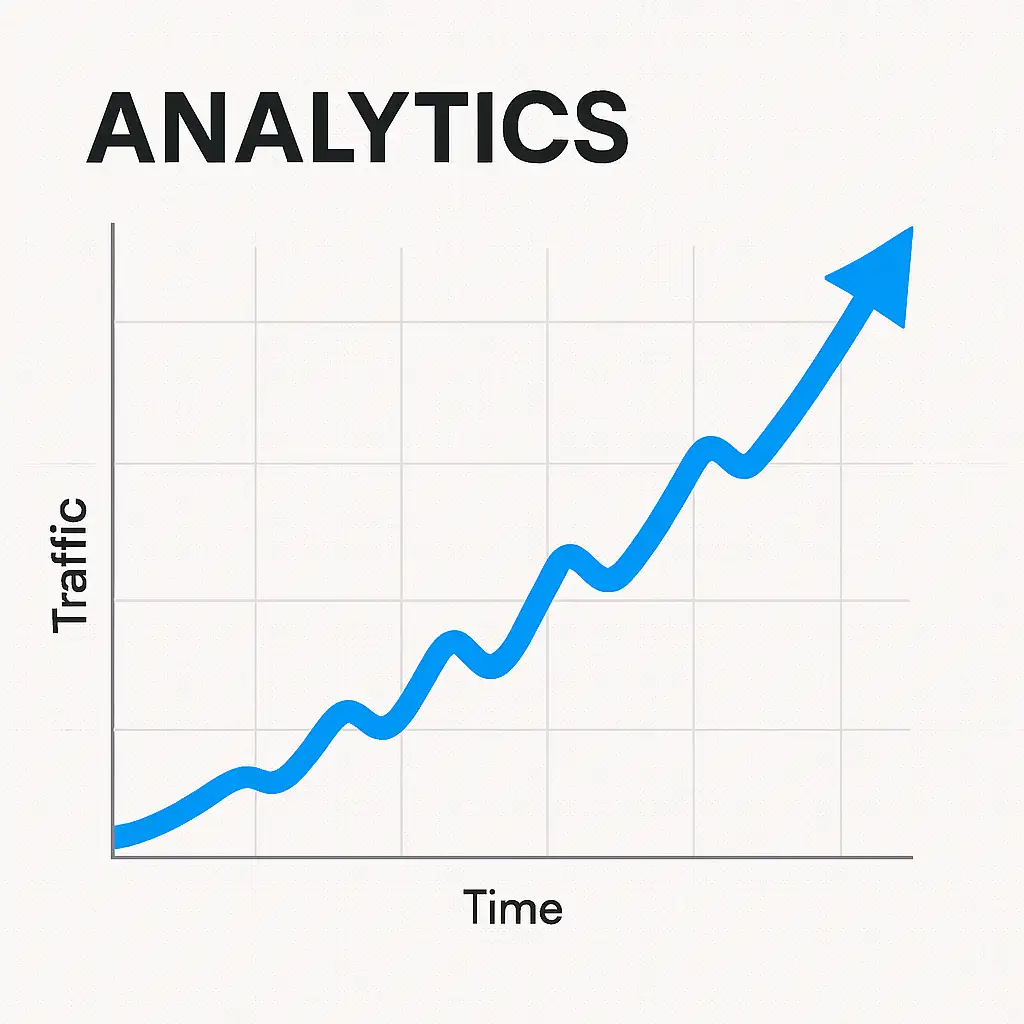
Key metrics to track:
- Organic search traffic growth
- Keyword ranking improvements
- Backlinks gained
- AI tool mentions or citations
Real Results: What This Plan Delivered
After following this 8-week plan, here’s what I achieved:
- Traffic Growth: 3x increase in organic search traffic
- Rankings: Moved from page 3 to page 1 for my main keywords
- AI Visibility: Started appearing in ChatGPT and Perplexity results
- Authority: Built relationships with industry influencers and journalists
- Efficiency: Created a repeatable system for ongoing SEO success
The best part? These weren’t just temporary gains. The traffic continued growing because I built a solid foundation that both traditional search engines and AI tools could understand and trust.
Your Action Plan: Getting Started Today
Week 1 Action Items (Start This Week):
- Sign up for Google Search Console (free)
- Check your website speed at pagespeed.web.dev
- List your top 5 competitors
- Write down 10 questions your customers frequently ask
Tools You’ll Need:
- Google Search Console and Analytics (free)
- Basic SEO plugin if using WordPress (Yoast or RankMath)
- One AI tool for content assistance (ChatGPT, Claude, or Gemini)
Time Investment:
- Weeks 1-2: 5-7 hours per week (setup and foundation)
- Weeks 3-6: 8-10 hours per week (active content creation)
- Weeks 7-8: 4-6 hours per week (optimization and measurement)
Common Questions Beginners Ask
Is this plan suitable for any type of website?
Yes! Whether you run a local business, blog, or e-commerce site, the fundamentals of LLM SEO apply. Just adjust the content topics to match your industry.
How much does it cost to implement this plan?
The basic plan can be implemented with free tools. Optional paid tools might cost $20-100/month but aren’t required for success.
What if I don’t see results after 60 days?
SEO typically takes 3-6 months to show significant results. The 60-day plan builds the foundation – keep executing and measuring for continued growth.
Can I do this if I’m not technical?
Absolutely! This plan focuses on strategy and content creation. Any technical elements are explained in simple terms with free tools to help.
Ready to 3x Your Traffic? Join Our Community!
Implementing an LLM SEO strategy might seem overwhelming at first, but remember, every successful website started with a single step.
The digital marketing landscape is evolving rapidly, and those who adapt early will see the biggest rewards.
Want expert guidance and support? At ILMA Academy 360, we specialize in teaching practical digital marketing skills that deliver real results.
Our 8-week Career Accelerator program covers advanced SEO strategies, content marketing, and the latest AI tools – all with mentor-led training and hands-on support.
Join our community of successful digital marketers and get:
- Expert-led training sessions
- Real-world project experience
- Career placement assistance
- Access to cutting-edge tools and strategies
- Ongoing mentorship and support
Ready to transform your digital marketing skills and career? [Book a Free Demo Class] and discover how ILMA Academy 360 can help you master LLM SEO and beyond.
Remember, the best time to start your SEO journey was yesterday. The second-best time is right now. Take action on Week 1 today, and in 60 days, you could be celebrating your own 3x traffic growth story!
Have questions about implementing this LLM SEO plan? Drop a comment below or reach out to our team at ILMA Academy 360. We’re here to help you succeed in the exciting world of digital marketing!



It’s interesting to see how AI-powered search engines are shifting the SEO landscape. Focusing on building trust with AI tools feels like the future of SEO—especially as more users turn to these tools for their queries. I’m curious about any specific content strategies that worked well for you during the 60-day plan?
I really appreciated how you broke down LLM SEO as a shift from traditional keyword targeting to building trust with AI tools—especially the part about ChatGPT and Gemini being the new gatekeepers of visibility. It’s a refreshing take that makes me rethink how I approach content strategy. The 60-day plan is also a nice balance of actionable steps without feeling overwhelming.