What Are KPIs? Your Complete Beginner’s Guide to Key Performance Indicators
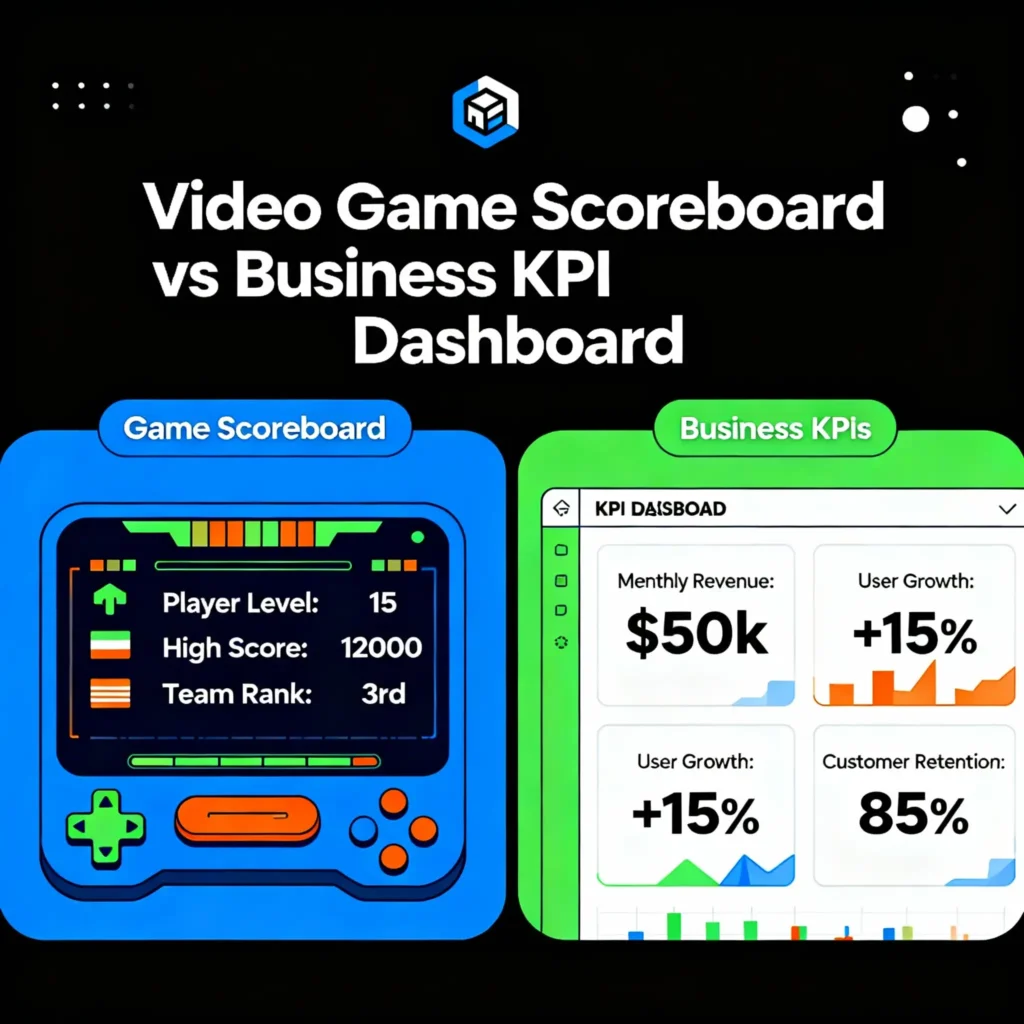
Imagine you’re playing your favorite video game. How do you know if you’re winning? You look at your score, your health bar, your level progress, and maybe how many coins you’ve collected.
In the business world, KPIs (Key Performance Indicators) work just like those game metrics, they’re the numbers that tell you how well you’re doing.
Whether you’re running a lemonade stand, managing a social media account, or working for a big company, KPIs help you understand what’s working and what needs improvement.
Let’s dive into this exciting world of business measurement!
What Exactly Is a KPI?
KPI stands for Key Performance Indicator. Let’s break this down:
- Key = Important (not every number matters)
- Performance = How well you’re doing
- Indicator = A sign or signal that shows something
So a KPI is an important number that shows how well you’re performing toward a specific goal. Think of it as your business report card, but instead of getting grades in math and science, you get scores on things like sales, website visits, or customer happiness.
Why the “Key” Part Matters
Not every number is a KPI. If you have a website, you could measure hundreds of things, how many people visited, what time they visited, what device they used, their favorite color (just kidding on that last one!). But only some of these numbers are “key” to your success.
Why Do KPIs Matter? (Hint: They’re Like GPS for Business)
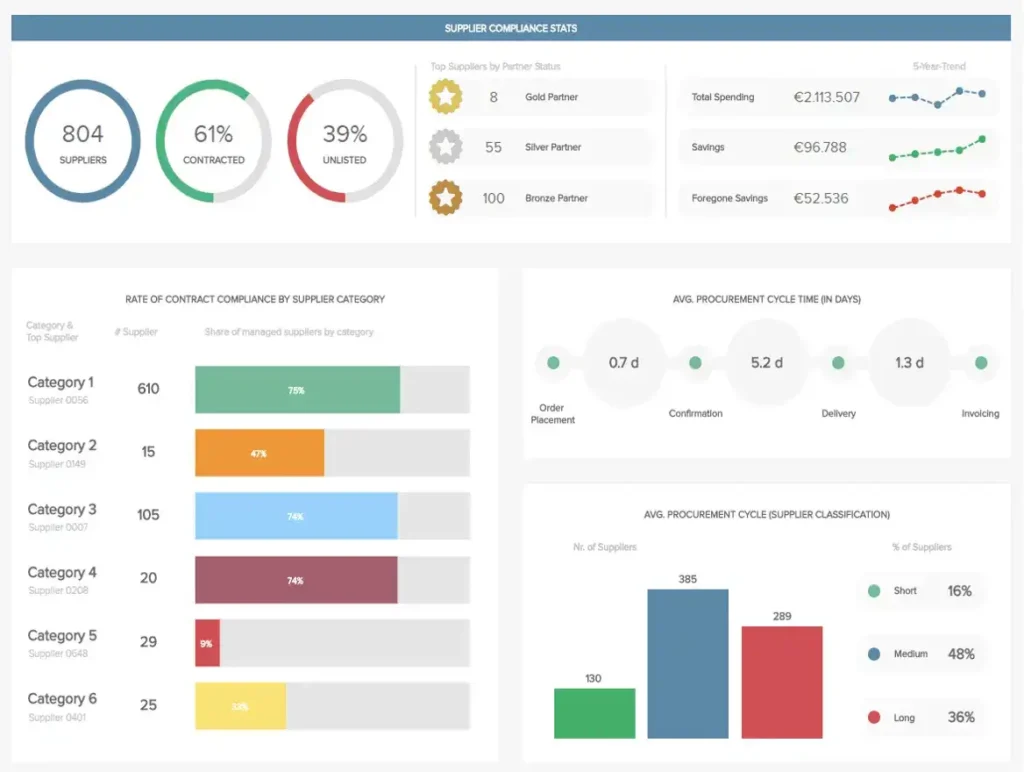
Imagine trying to drive to a new place without GPS, street signs, or a map. You’d probably get lost! KPIs are like GPS for businesses they tell you:
- Where you are now (your current performance)
- Where you want to go (your goals)
- Whether you’re on the right path (if you’re improving or not)
- When you need to change direction (if something isn’t working)
The Magic of Making Better Decisions
When you have clear KPIs, you can make smart decisions based on facts, not just guesses. For example, if your KPI shows that most people leave your website after just 10 seconds, you know you need to make it more interesting!
Types of KPIs: The Different Flavors of Success
Just like ice cream comes in different flavors, KPIs come in different types. Let’s explore the main categories:
1. Financial KPIs (The Money Metrics)
These track how much money you’re making or spending:
- Revenue = How much money you earn
- Profit = Revenue minus expenses (what you keep)
- Cost per customer = How much you spend to get one new customer
Real-Life Example: A pizza shop tracks how much money they make each day. If Monday usually brings in $500 but this Monday only brought in $300, they know something’s different and can investigate why.
2. Marketing KPIs (The Popularity Contest)
These show how well your marketing efforts are working:
- Website traffic = How many people visit your website
- Social media followers = How many people follow you online
- Email open rate = How many people read your emails
Real-Life Example: A YouTuber tracks how many views each video gets. If dance videos get 10,000 views but cooking videos only get 1,000, they might make more dance content.
3. Customer KPIs (The Happiness Index)
These measure how much your customers love you:
- Customer satisfaction score = How happy customers are (usually 1-10)
- Customer retention rate = How many customers come back
- Net Promoter Score = How likely customers are to recommend you
Real-Life Example: A restaurant asks customers to rate their experience from 1-10. If the average drops from 8 to 6, they know they need to improve something.
4. Operational KPIs (The Efficiency Experts)
These track how smoothly your business runs:
- Production time = How long it takes to make something
- Quality rate = How many products are made correctly the first time
- Employee productivity = How much work each person completes
KPI Examples for Different Situations
Let’s look at KPI examples for situations you might relate to:
For a Student Club
| KPI | What It Measures | Why It Matters |
|---|---|---|
| Meeting Attendance | How many members show up | Shows engagement level |
| Event Participation | Members joining activities | Indicates club popularity |
| New Member Growth | Monthly new sign-ups | Tracks club expansion |
For a Small Online Business
| KPI | What It Measures | Example Target |
|---|---|---|
| Website Visitors | Daily site traffic | 100 visitors per day |
| Conversion Rate | Visitors who buy something | 3% of visitors make a purchase |
| Average Order Value | Money spent per purchase | $25 per order |
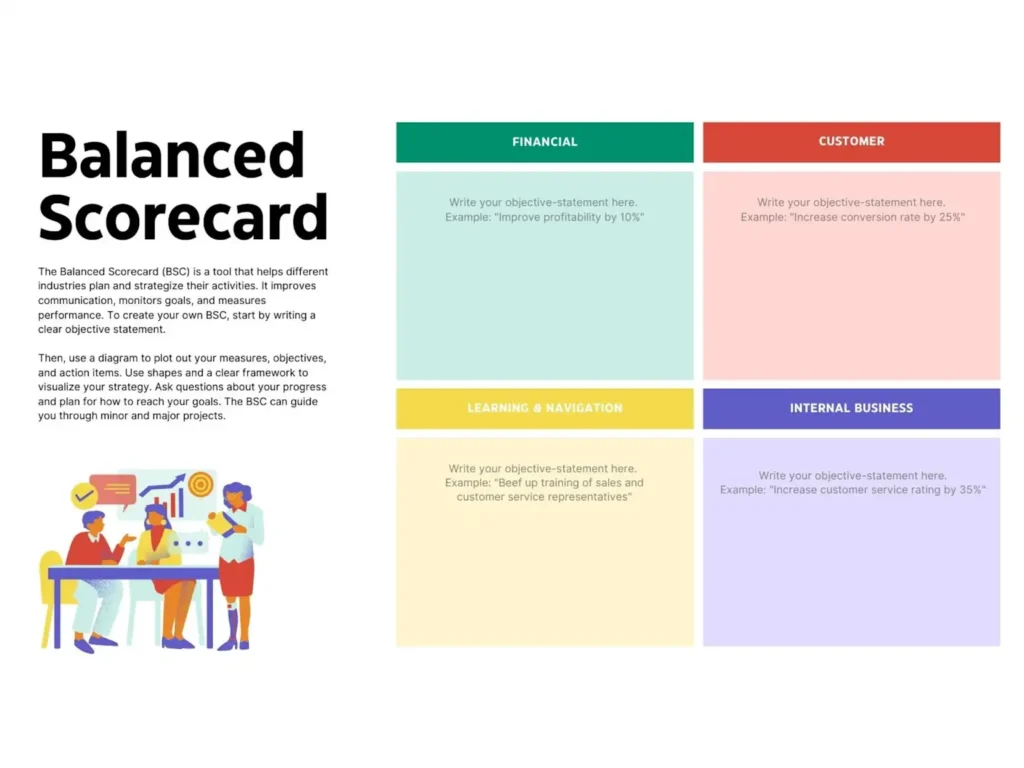
How to Set Up Your Own KPIs: A Step-by-Step Guide
Ready to create your own KPIs? Follow these simple steps
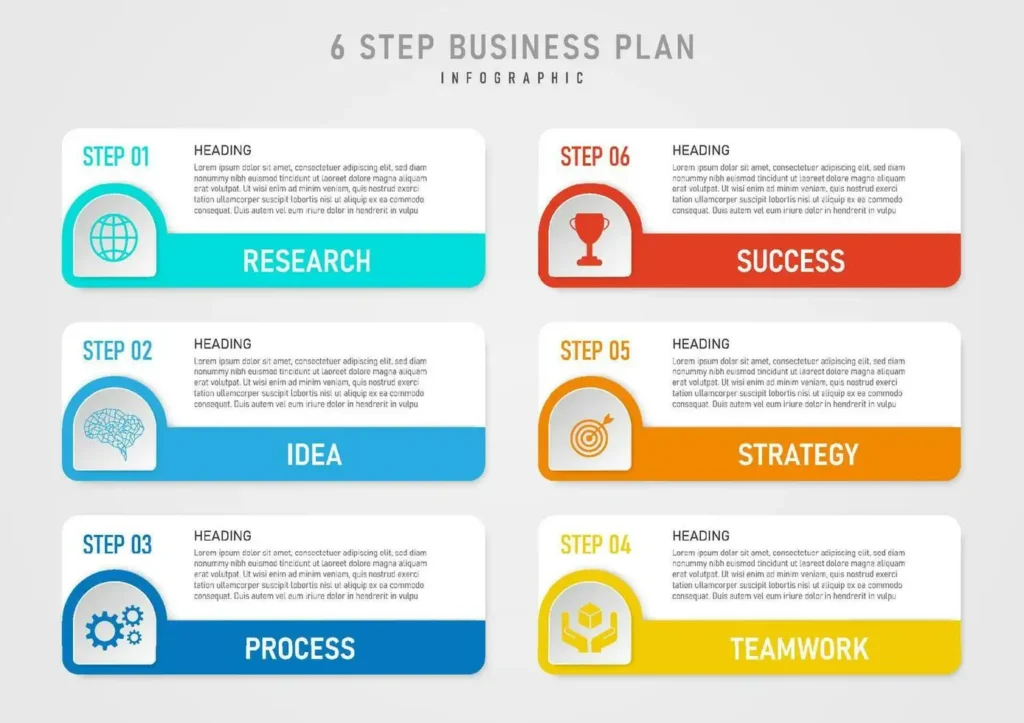
Step 1: Know Your Goal
Before you can measure success, you need to define what success looks like. Ask yourself: “What am I trying to achieve?”
Examples:
- Increase social media followers
- Improve grades
- Sell more products
- Make customers happier
Step 2: Make It SMART
Your KPI should be SMART:
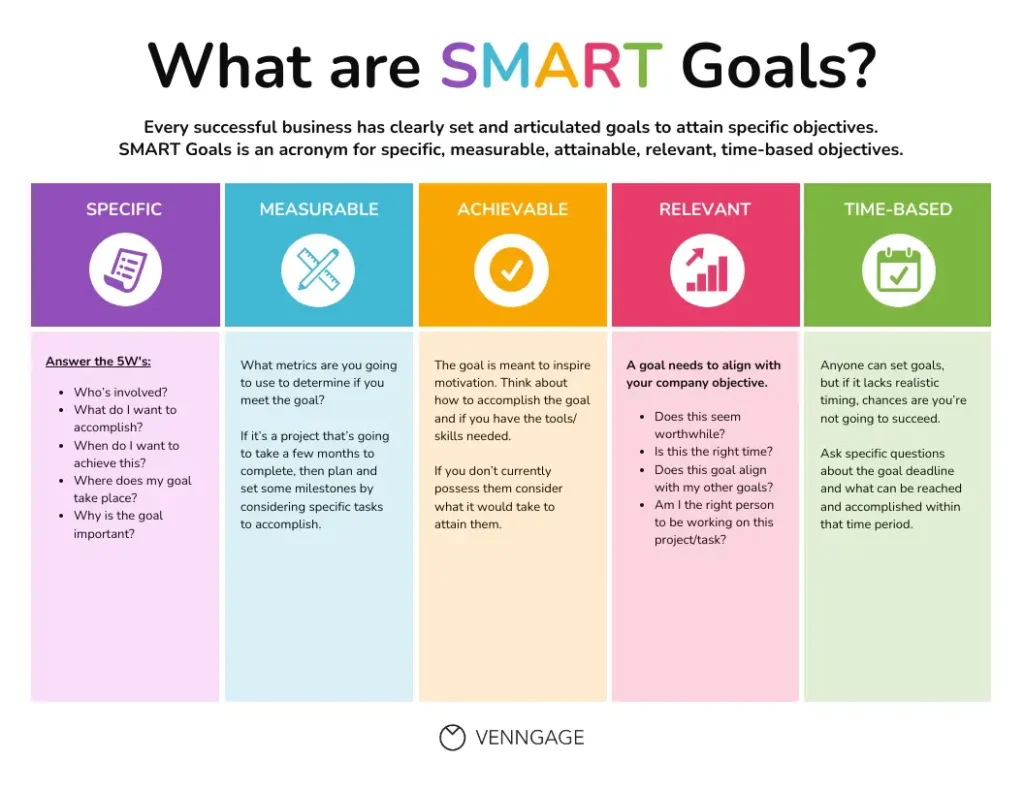
- Specific = Clear and exact
- Measurable = You can count it
- Achievable = Realistic to reach
- Relevant = Actually matters to your goal
- Time-bound = Has a deadline
Bad KPI: “Get more followers”
Good KPI: “Increase Instagram followers by 100 in the next 3 months”
Step 3: Choose Your Numbers
Pick 3-5 KPIs to start with. Too many numbers can be overwhelming, like trying to watch 10 TV shows at once.
Step 4: Set Your Target
Decide what number you want to reach. Look at your past performance or research what others in similar situations achieve.
Step 5: Track and Review
Check your KPIs regularly – daily, weekly, or monthly depending on what makes sense. Set reminders so you don’t forget!
Tools to Track Your KPIs (No PhD Required!)
You don’t need expensive software or a computer science degree to track KPIs. Here are beginner-friendly options:
Free Tools
- Google Sheets or Excel = Perfect for simple tracking
- Google Analytics = For website metrics
- Social media insights = Built into platforms like Instagram and TikTok
- Geckoboard (free plan) = Simple dashboard creation
Paid Tools (When You’re Ready to Level Up)
- SimpleKPI = User-friendly with great templates
- Klipfolio = Powerful dashboards with free trial
- Zoho Analytics = Comprehensive tracking platform
DIY Tracking Method
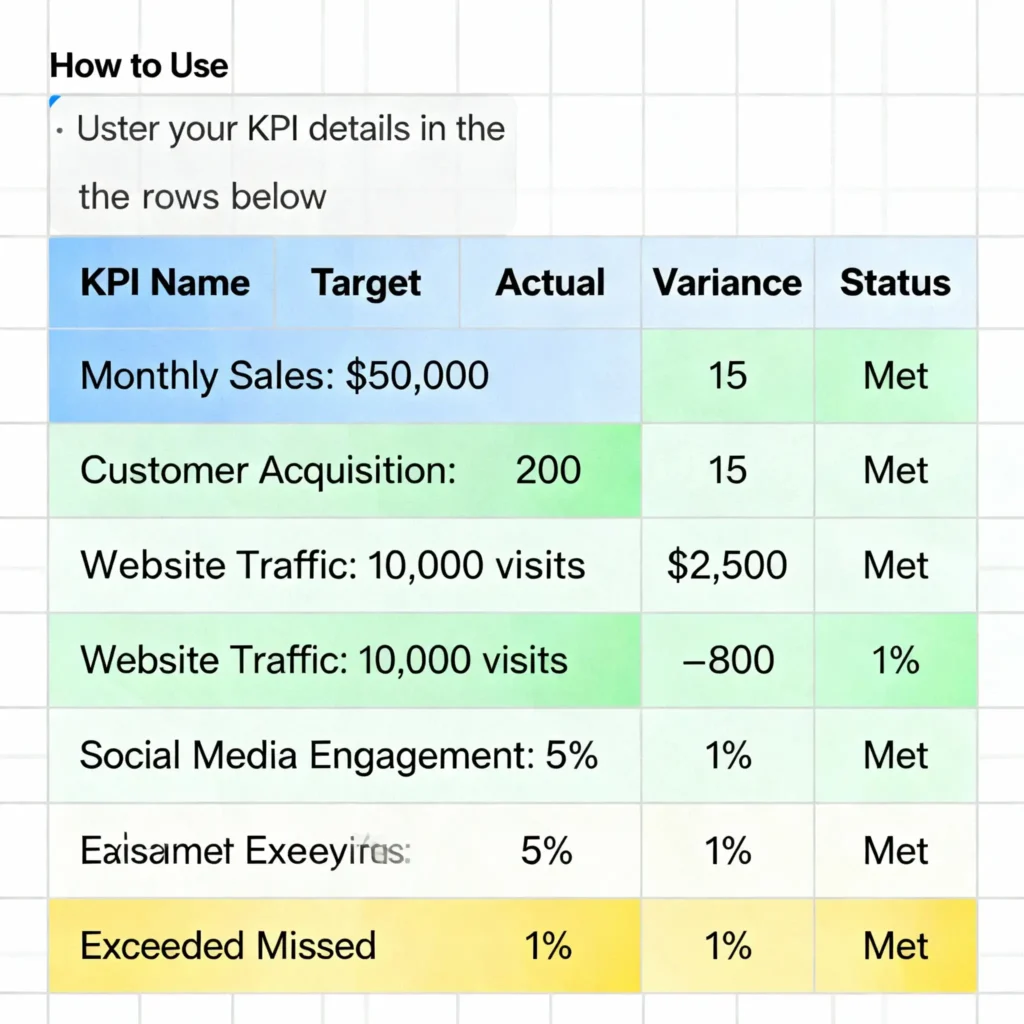
Create a simple spreadsheet with columns for:
- Date
- KPI Name
- Current Number
- Target Number
- Notes
Common KPI Mistakes (And How to Avoid Them)
Even experienced business people make these mistakes. Here’s how to avoid them:
Mistake 1: Tracking Too Many Numbers
Problem: Measuring everything makes it hard to focus
Solution: Start with 3-5 key metrics
Mistake 2: Choosing Vanity Metrics
Problem: Tracking numbers that look good but don’t help you improve
Solution: Focus on metrics that connect to real results
Example: Having 10,000 social media followers means nothing if none of them buy your products.
Mistake 3: Not Setting Realistic Targets
Problem: Goals that are too easy or too hard
Solution: Research what’s achievable and start with smaller goals
Mistake 4: Forgetting to Review
Problem: Setting KPIs then ignoring them
Solution: Schedule regular check-ins (weekly or monthly)
Your Action Plan: Start Measuring Success Today!
Ready to put this knowledge into action? Here’s your simple 30-day plan:
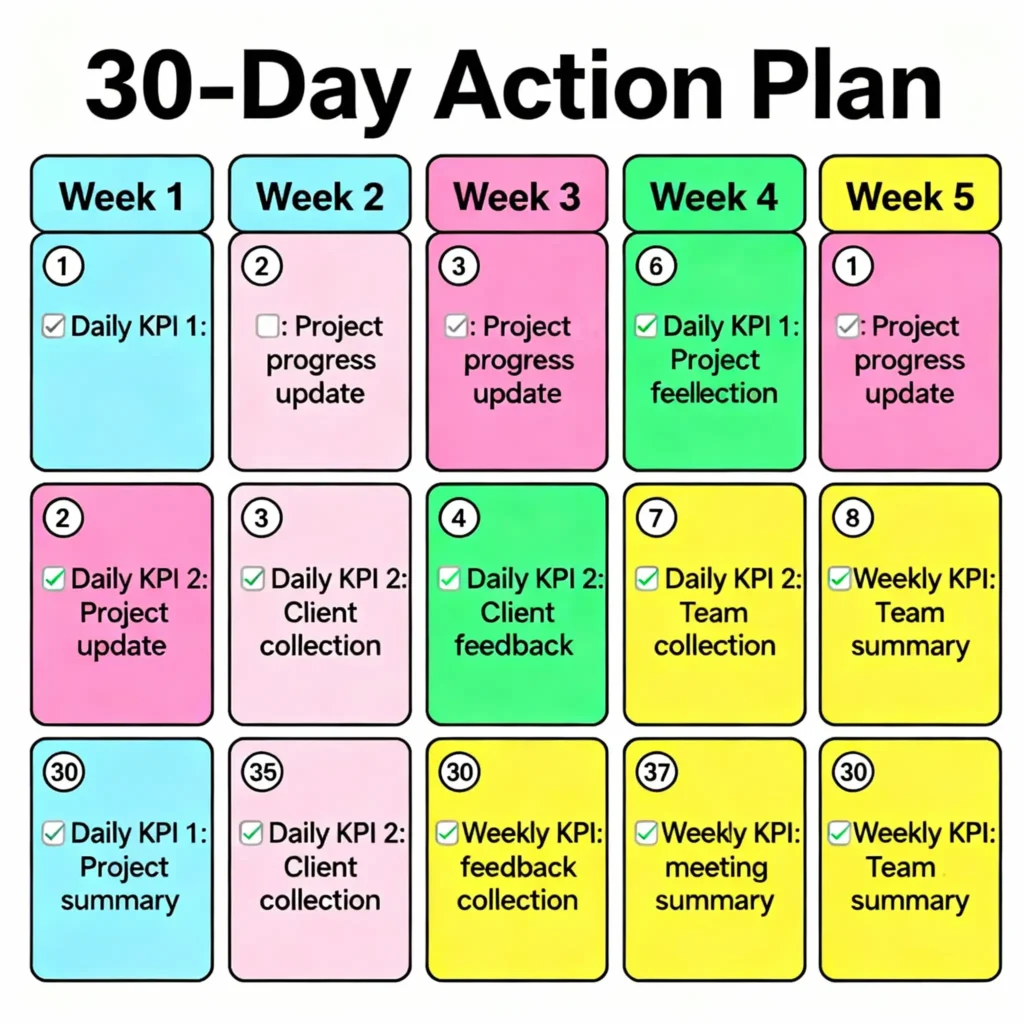
Week 1: Foundation Building
- Choose one goal you want to achieve
- Identify 2-3 KPIs that relate to this goal
- Set up a simple tracking system (spreadsheet or app)
Week 2: Data Collection
- Start recording your numbers daily
- Set realistic targets based on your baseline data
- Create a weekly review schedule
Week 3: Analysis and Adjustment
- Look for patterns in your data
- Identify what’s working and what isn’t
- Make small improvements based on your findings
Week 4: Optimization
- Refine your tracking process
- Adjust targets if needed
- Plan your strategy for next month
Real Success Stories: KPIs in Action
Sarah’s Social Media Success
Sarah wanted to grow her art Instagram account. She tracked:
- Daily posts (consistency KPI)
- Engagement rate (how much people interacted)
- Follower growth (popularity measure)
After 3 months of tracking, she discovered that posting tutorials got 5x more engagement than just showing finished art. By focusing on tutorials, she grew from 500 to 2,000 followers!
Mike’s Lemonade Stand
Mike tracked his lemonade stand’s performance:
- Daily sales ($15 average)
- Cups sold per hour (8 cups)
- Customer return rate (30%)
He noticed sales dropped when it was cloudy, so he started offering hot chocolate on cool days. His daily average jumped to $25!
Take Your Learning Further with ILMA Academy 360
Understanding KPIs is just the beginning of your digital marketing journey! At ILMA Academy 360, we dive deeper into these concepts and show you how to use KPIs to build successful marketing campaigns, grow businesses, and create meaningful impact online.
Ready to Level Up?
Join our vibrant community of learners who are mastering digital marketing skills that matter in today’s world. Our courses cover:
- Advanced KPI strategy and implementation
- Social media marketing with measurable results
- Website analytics and optimization
- Email marketing that converts
- Content creation that drives engagement
Visit ILMA Academy 360 today and transform your curiosity about KPIs into real-world marketing expertise. Whether you’re a complete beginner or looking to enhance your skills, our supportive learning environment will help you succeed!
Summary: Your KPI Journey Starts Now
KPIs might seem complicated at first, but they’re really just simple numbers that help you understand if you’re succeeding. Remember the key points:
- KPIs are your business scoreboard – they show how you’re performing
- Quality over quantity – track 3-5 important metrics, not everything
- Make them SMART – specific, measurable, achievable, relevant, and time-bound
- Review regularly – check your progress weekly or monthly
- Take action – use your KPI insights to make improvements
Start small, stay consistent, and watch how measuring success helps you achieve your goals faster than ever before. Your future self will thank you for learning this valuable skill today!
Ready to become a digital marketing pro? Explore ILMA Academy 360’s comprehensive digital marketing courses and join thousands of students already mastering the skills that drive real results online!