Understanding Search Intent: Your First Step to Better Digital Marketing
Imagine you’re a detective trying to solve a mystery. But instead of figuring out “who done it,” you’re trying to understand “what does this person want?” when they type something into Google.
That’s exactly what search intent is all about!
Search intent (also called “user intent”) is simply the reason why someone searches for something online.
When someone types “best pizza near me” into Google, they’re not just looking for information about pizza, they want to find a place where they can actually order and eat pizza right now.
Think of it like this: Every time someone searches online, they have a goal in mind. Your job as a digital marketer is to figure out what that goal is and help them achieve it.
Why Should You Care About Search Intent?
Here’s the thing that many new digital marketers don’t realize: Google is incredibly smart. It doesn’t just match your keywords anymore. Google actually tries to understand what people really want when they search for something.
If your content doesn’t match what people are actually looking for, Google won’t show it to them, no matter how many SEO tricks you use.
Let me give you a real example: If someone searches for “iPhone 17,” Google has to decide what they really want:
- Are they looking to buy an iPhone 17? (Show shopping results)
- Do they want to learn about iPhone 17 features? (Show informational articles)
- Are they trying to find Apple’s website? (Show Apple.com)
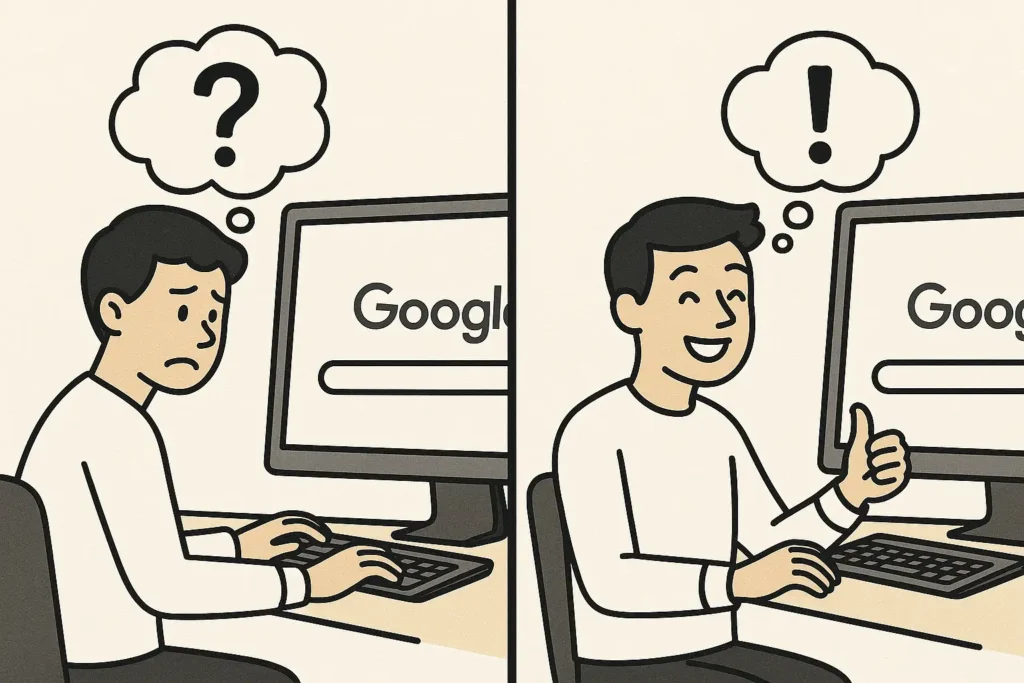
Google uses data from millions of past searches to figure this out. And if your content matches what people actually want, you’ll rank higher and get more visitors who are genuinely interested in what you offer.
The 4 Types of Search Intent (Made Simple)
1. Informational Intent: “I Want to Learn Something”
This is when people are curious and want to learn about something. They’re not ready to buy anything yet – they just want answers.
Real-life examples:
- “How to make pasta” (they want a recipe)
- “What is digital marketing” (they want to understand a concept)
- “Python programming tutorial” (they want to learn a skill)
What you should create: Blog posts, how-to guides, tutorials, and educational videos that teach people something valuable.
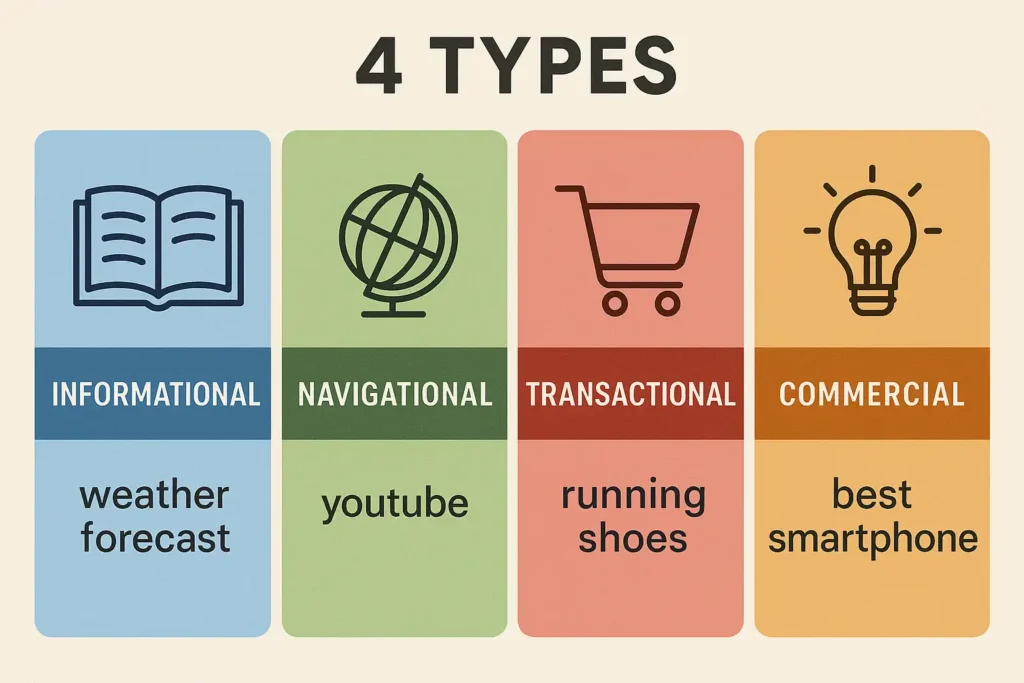
2. Navigational Intent: “I Want to Go Somewhere Specific”
This happens when people know exactly which website they want to visit, but they’re using Google as a shortcut instead of typing the full web address.
Real-life examples:
- “Facebook login” (they want to get to Facebook)
- “YouTube” (they want to go to YouTube.com)
- “ILMA Academy contact” (they want to find our contact page)
What you should do: Make sure your website shows up when people search for your brand name. Optimize your homepage with your company name in the title.
3. Commercial Intent: “I’m Thinking About Buying Something”
These people are interested in making a purchase, but they need more information first. They’re in the “shopping around” phase.
Real-life examples:
- “Best laptops for students” (comparing options)
- “iPhone vs Samsung review” (deciding between brands)
- “digital marketing course Bangalore” (researching local options)
What you should create: Comparison articles, product reviews, “best of” lists, and buying guides that help people make informed decisions.
4. Transactional Intent: “I’m Ready to Buy Now”
These searchers know what they want and are ready to take action – whether that’s buying something, signing up for a service, or booking an appointment.
Real-life examples:
- “buy iPhone 13 online” (ready to purchase)
- “Netflix subscription” (ready to sign up)
- “book digital marketing course” (ready to enroll)
What you should create: Product pages, pricing pages, and landing pages that make it easy for people to complete their purchase or sign up.
How to Figure Out What People Really Want: A Step-by-Step Guide
Step 1: Look at the Search Terms Carefully
Start by examining the actual words people use when they search. Certain words give away the intent:
Informational clues: “how to,” “what is,” “why,” “tutorial,” “guide”
Commercial clues: “best,” “top,” “review,” “compare,” “vs”
Transactional clues: “buy,” “price,” “discount,” “sign up,” “book”
Navigational clues: Brand names, website names
Step 2: Check What Google Shows (This Is Super Important!)
Here’s a secret that many beginners miss: Google already knows what people want. So the easiest way to understand search intent is to look at what Google shows for your keyword.
Try this exercise right now:
- Go to Google and search for “SEO tools”
- Look at what appears:
- Are there mostly blog articles? (Informational intent)
- Do you see shopping ads and product pages? (Transactional intent)
- Are there comparison articles and reviews? (Commercial intent)
What you see tells you exactly what Google thinks people want when they search for that term.
Step 3: Study the Top-Ranking Pages
Click on the first few results and notice:
- Content type: Are they blog posts, product pages, or videos?
- Content format: Are they lists, step-by-step guides, or detailed articles?
- Content focus: Are they for beginners or experts?
- Length: Are they short answers or long, detailed guides?
Step 4: Find Content Gaps and Opportunities
Look for ways to create something even better:
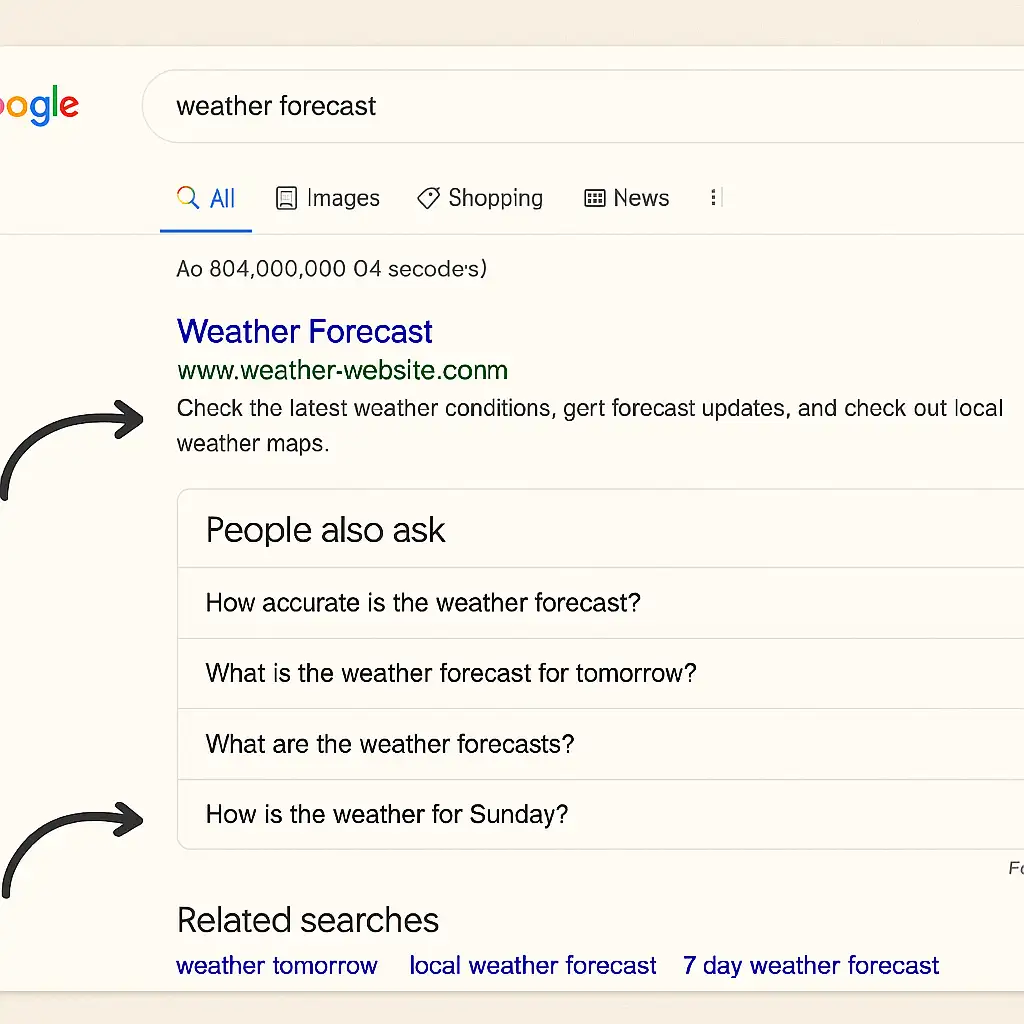
- Check the “People Also Ask” section on Google
- Look at “Related Searches” at the bottom of the page
- Find topics that top-ranking pages missed.
A Simple 4-Step Action Plan for Beginners
Week 1: Learn Your Audience
- List 10-15 topics your target audience cares about
- For each topic, write down 3-5 search terms they might use
- Use Google to search these terms and note what types of content rank
Week 2: Analyze the Competition
- Pick your top 5 most important keywords
- Study the first page results for each keyword
- Create a simple spreadsheet noting what type of content ranks and what’s missing
Week 3: Create Your Content Strategy
- For each keyword, decide what type of content you need to create
- Start with informational content (it’s easier for beginners)
- Plan 2-3 pieces of content that match different search intents
Week 4: Create and Optimize
- Write your first piece of content matching the search intent
- Use the same format and structure as top-ranking pages, but make yours better
- Include the keywords naturally in your title, headings, and content
Common Beginner Mistakes to Avoid
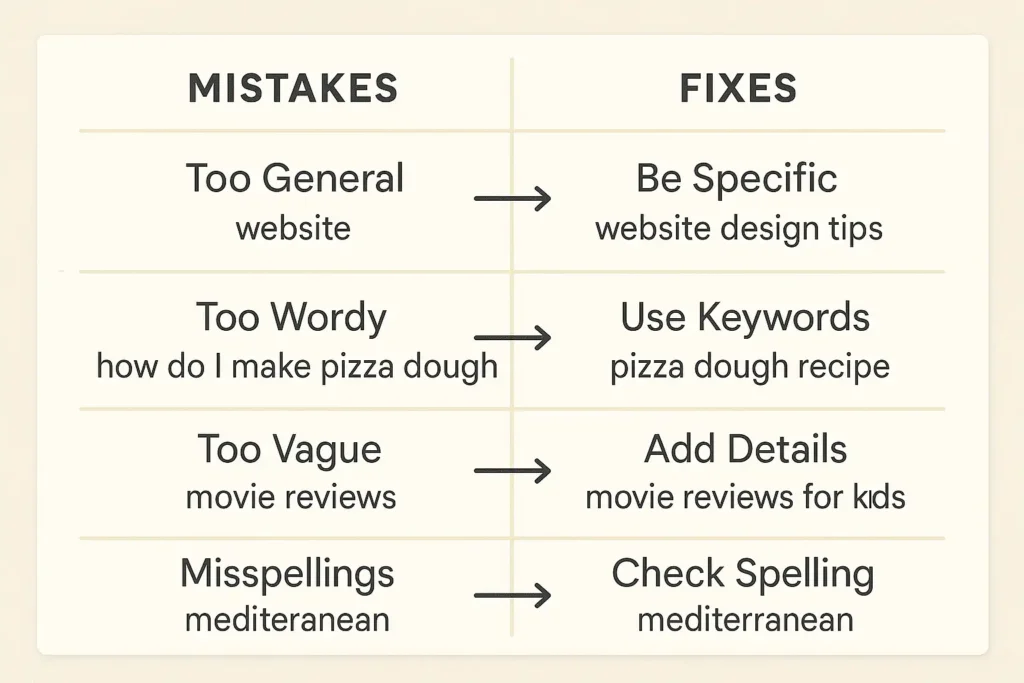
❌ Mistake 1: Writing what you want to write about instead of what people actually search for
✅ Fix: Always start with keyword research and search intent analysis
❌ Mistake 2: Trying to rank for everything with one piece of content
✅ Fix: Create specific content for each type of search intent
❌ Mistake 3: Ignoring what Google actually shows for your keywords
✅ Fix: Always check the search results before creating content
❌ Mistake 4: Focusing only on search volume and ignoring intent
✅ Fix: A keyword with lower search volume but clear intent is often better than a high-volume keyword with mixed intent.
Real Success Story: How Understanding Search Intent Changed Everything
Let’s look at a practical example. Imagine you run a local digital marketing academy (like ILMA Academy 360) and you want to rank for “digital marketing course.”
Before understanding search intent: You might create a generic page about your course features and wonder why it doesn’t rank well.
After understanding search intent: You search “digital marketing course” and notice Google shows:
- Comparison articles (“Best digital marketing courses”)
- Local results (“Digital marketing course near me”)
- Review pages (“Digital marketing course reviews”)
Now you realize people have commercial intent, they’re comparing options. So instead of just describing your course, you create content like:
- “Best Digital Marketing Courses in Bangalore: Complete Comparison”
- “ILMA Academy vs Other Digital Marketing Institutes: Honest Review”
- “How to Choose the Right Digital Marketing Course: A Student’s Guide”
Result: Your content matches what people actually want, so it ranks better and brings in more qualified students.
Quick Reference: Search Intent Cheat Sheet
| Intent Type | User Mindset | Content to Create | Keywords Include |
|---|---|---|---|
| Informational | “I want to learn” | How-to guides, tutorials, blog posts | how to, what is, why, tutorial |
| Navigational | “I want to go somewhere” | Optimized brand pages | brand names, login, website |
| Commercial | “I’m comparing options” | Reviews, comparisons, buying guides | best, top, review, vs, compare |
| Transactional | “I’m ready to buy” | Product pages, pricing pages | buy, price, discount, signup |
Start Your Search Intent Journey Today
Understanding search intent isn’t just about SEO, it’s about truly understanding your audience and giving them exactly what they need at the right moment.
Remember: Every successful digital marketing campaign starts with understanding what your audience actually wants, not what you think they want.
Start small, be consistent, and always put your audience’s needs first. As you practice analyzing search intent, you’ll develop an intuitive understanding of what people are really looking for online.
Ready to Master Digital Marketing?
Understanding search intent is just the beginning of your digital marketing journey. At ILMA Academy 360, we believe in practical, mentor-led learning that prepares you for real-world success.
Our comprehensive Digital Marketing Career Accelerator program covers everything from SEO and search intent optimization to social media marketing, PPC, and analytics, all taught by industry experts who’ve helped hundreds of students land their dream jobs.
🎯 What makes ILMA Academy 360 different:
- Small batch sizes for personalized attention
- Hands-on projects with real clients
- 100% placement assistance
- Flexible payment options and scholarships available
- Located in the heart of Bangalore’s tech hub
Ready to transform your career? Join our free demo class and discover how understanding concepts like search intent can open doors to exciting opportunities in digital marketing.
[Book Your FREE Demo Class →]
Join our community of 500+ successful digital marketing professionals who started their journey just like you!
Remember: The best time to start learning digital marketing was yesterday. The second-best time is right now.