Don’t Fall for Fancy Numbers: Understanding Vanity Metrics in Digital Marketing (A Beginner’s Guide)
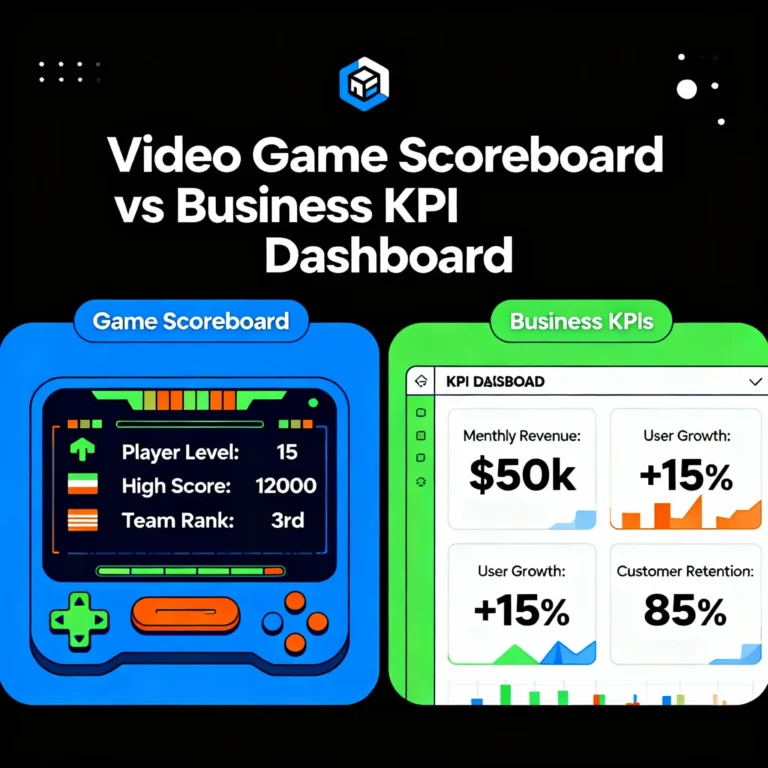
Imagine you’re playing a video game, and you see your score is 10,000 points. Sounds awesome, right? But then you realize those points don’t help you win the game or unlock new levels.
In digital marketing, we have something similar called “vanity metrics” numbers that look cool but don’t really help your business grow.

What Are Vanity Metrics? (The Simple Explanation)
Think of vanity metrics like the number of people who wave at you from a bus. It might feel nice, but those waves don’t put money in your pocket or help you make new friends.
Vanity metrics are numbers in marketing that look impressive but don’t tell you if your business is actually doing well.
Here’s a real-life example:
Let’s say you have a lemonade stand. If 100 people walk by and say “nice stand!” but only 2 people buy lemonade, what matters more, the 100 compliments or the 2 sales? The sales, of course!
Those compliments are like vanity metrics, they feel good but don’t help your business.
The Most Common Vanity Metrics You’ll See Everywhere
1. Social Media Followers and Likes
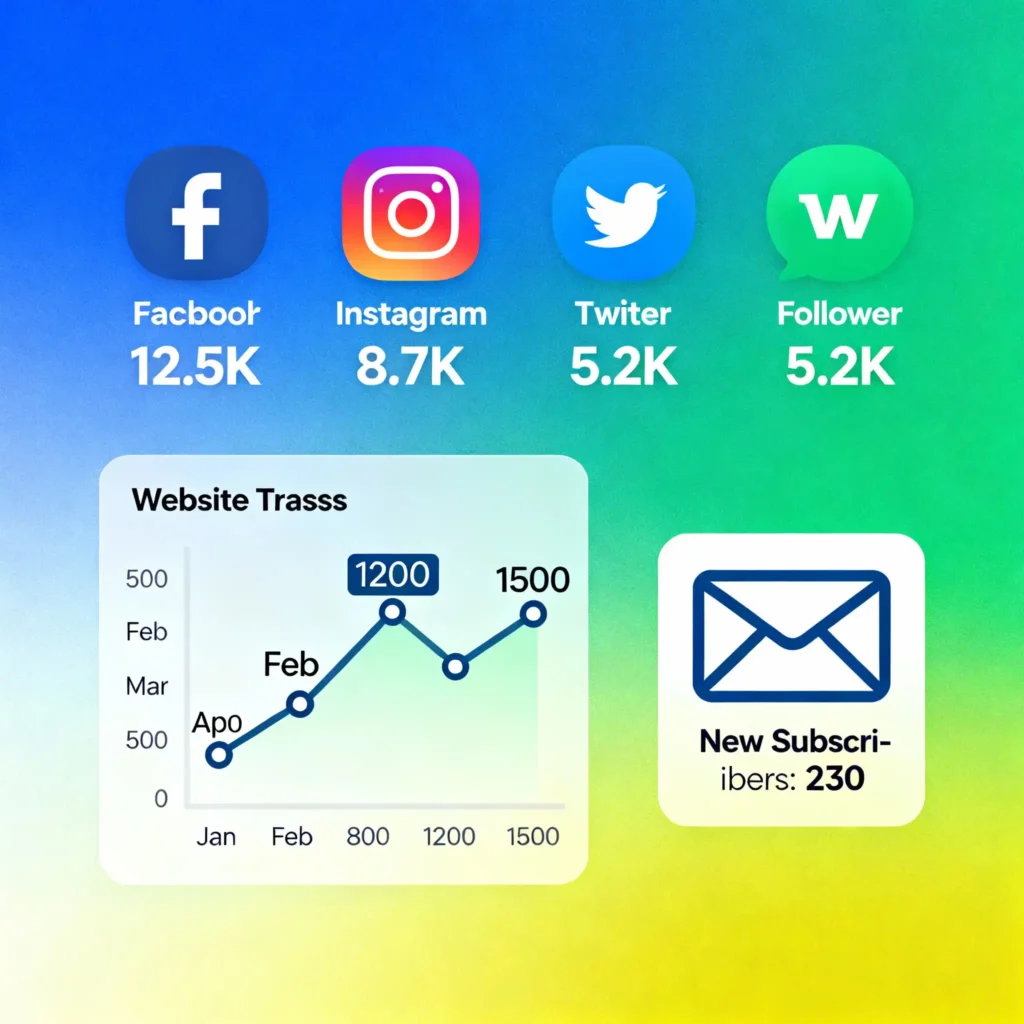
What it looks like: “Wow, I have 5,000 Instagram followers!”
Why it might not matter: If those 5,000 people never buy anything from you or even interact with your posts, they’re just numbers on a screen.
Real-life example: Think about your favorite celebrity with millions of followers. Just because they have many followers doesn’t mean all those people will buy their products.
2. Website Page Views
What it looks like: “My website got 10,000 visits this month!”
Why it might not matter: If people visit your website but leave immediately without buying anything or signing up for your newsletter, those visits don’t help your business grow.
Easy way to think about it: It’s like having 10,000 people walk into your store, look around for 2 seconds, and walk out without buying anything.
3. Email Open Rates
What it looks like: “80% of people opened my email!”
Why it might not matter: Opening an email is like opening a door, it doesn’t mean you’ll walk through it.
What matters is if people actually read your email and do what you want them to do (like buy something or visit your website).
Why Vanity Metrics Can Trick You

Vanity metrics are sneaky because they make you feel successful when you might not be. It’s like getting a trophy for participation instead of winning the race. Here’s why they can be harmful:
- They waste your time: You might spend hours trying to get more followers instead of focusing on getting more customers.
- They waste your money: You might pay for ads to get more likes instead of ads that bring in sales.
- They give false hope: You might think your business is doing great when it’s actually struggling.
Story time:
Imagine Sarah starts selling handmade jewelry online. She gets excited because her Instagram post got 500 likes.
She thinks, “I’m doing amazing!” But then she realizes she only sold 1 necklace that week.
Those 500 likes didn’t pay her bills or help her business grow.
Vanity Metrics vs. Smart Metrics: The Big Difference
Let’s break this down in a way that’s super easy to understand:
| Vanity Metrics (The Flashy Numbers) | Smart Metrics (The Numbers That Matter) | Why Smart Metrics Are Better |
|---|---|---|
| 10,000 Instagram followers | 500 followers who regularly buy your products | Quality over quantity – fewer people who actually care about you |
| 1,000 website visitors | 50 visitors who signed up for your newsletter | Shows people are interested enough to give you their email |
| 200 email opens | 50 people who clicked your link and bought something | Actions matter more than just looking |
| 500 YouTube views | 100 people who watched your whole video | Engagement shows real interest |
Think of it this way: Would you rather have 100 fake friends or 10 real friends who actually care about you? The same logic applies to marketing!
How to Avoid Getting Fooled by Vanity Metrics
1. Always Ask “So What?”
When you see a number, ask yourself: “So what does this mean for my business?” If you can’t answer that question, it might be a vanity metric.
Example: “I got 1,000 likes on my post.” So what? Did those likes lead to sales, website visits, or new customers?
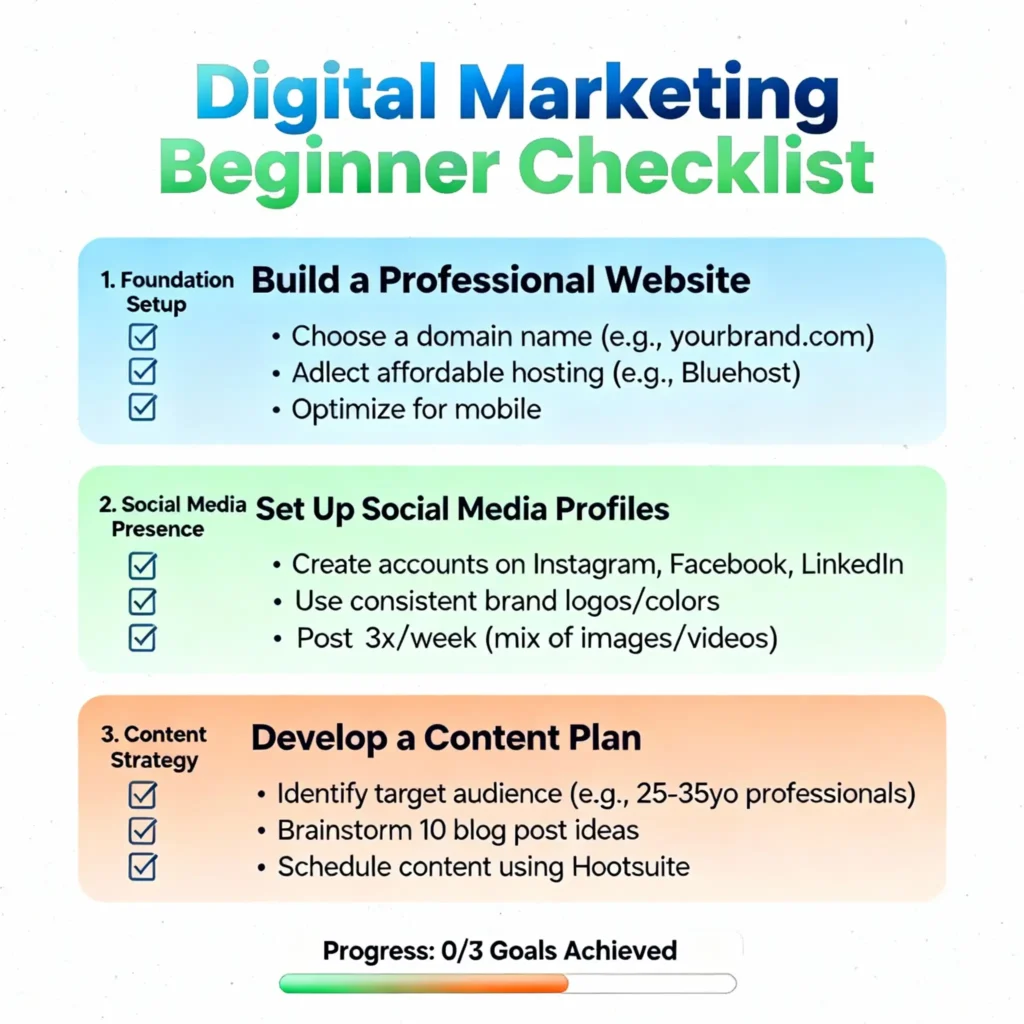
2. Focus on Money and Actions
Instead of counting likes, count:
- How many people bought your product
- How much money you made
- How many people signed up for your newsletter
- How many people visited your website and stayed to read
3. Set Clear Goals
Before you start any marketing, decide what you want to achieve:
- “I want to sell 50 products this month”
- “I want 100 people to sign up for my email list”
- “I want to make $1,000 in sales”
4. Use the Right Tools
There are simple tools that help you track what really matters:
- Google Analytics (shows if people actually use your website)
- Email marketing tools (show if people click your links)
- Social media insights (show real engagement, not just likes)
Real Examples: Good Metrics vs. Vanity Metrics
For a Local Pizza Shop:
- Vanity metric: 2,000 Facebook page likes
- Smart metric: 50 people ordered pizza after seeing the Facebook post
For a Online Course Creator:
- Vanity metric: 10,000 YouTube subscribers
- Smart metric: 200 people bought the course after watching YouTube videos
For a Clothing Brand:
- Vanity metric: 500,000 Instagram post views
- Smart metric: 100 people bought clothes after seeing Instagram posts
Your Action Plan: Start Focusing on What Matters
Here’s your simple 5-step plan to avoid vanity metrics:
- Step 1: Write down your business goals (more sales, more customers, more email subscribers)
- Step 2: Choose 3-5 metrics that directly connect to these goals
- Step 3: Stop checking vanity metrics daily (you can look once a week if you want)
- Step 4: Spend more time improving the metrics that actually matter
- Step 5: Celebrate when your smart metrics improve (even if your vanity metrics don’t)
The Bottom Line: Numbers Can Lie, But Results Don’t
Remember, in digital marketing, it’s not about having the biggest numbers, it’s about having the right numbers. A small business with 100 loyal customers who buy regularly is much more successful than a business with 10,000 followers who never buy anything.
Think of vanity metrics like getting lots of high-fives but no hugs. High-fives feel nice, but hugs (real engagement and sales) are what really matter for your business relationships.
As you start your digital marketing journey, always remember to focus on metrics that help your business grow, make money, and build real relationships with customers.
Don’t get distracted by the flashy numbers that don’t lead to real success.
Want to master digital marketing the right way?
Join ILMA Academy 360 and learn how to create marketing campaigns that drive real results, not just vanity metrics. Our expert instructors will teach you to focus on metrics that matter, build strategies that work, and grow businesses that last.
Enroll today and start your journey toward becoming a data-driven digital marketing professional who makes decisions based on results, not just pretty numbers!
Visit ILMA Academy 360 to learn more about our comprehensive digital marketing programs.